
When your cycle refuses to follow a calendar, it can feel like your body is working against you. But irregular periods doesn’t mean infertility. They simply mean your body’s rhythm needs understanding, changes before it can get ready for periods.. Many women conceive naturally once they tune in to their body’s patterns instead of trying to fight them.
This article is medically reviewed by Dr. Pragti Gupta (BAMS), founder at Seed.fit, with over 20 years of experience in helping couples conceive naturally.
What are irregular periods?
Irregular periods mean your menstrual cycle doesn’t follow a consistent pattern and every month it’s a different story. A “normal” cycle typically lasts between 21 and 35 days. If your period cycle is shorter, longer or fluctuates a lot every then it is considered an irregular period cycle.
The most common reasons behind irregular periods for women includes:
- Polycystic ovary syndrome (PCOS)/ Polycystic ovary disorder (PCOD)
- Thyroid disorders
- Stress or mental health conditions
- Excessive exercise or low body weight
- Perimenopause
- Certain medications including steroids, anti-depressants, hormonal pills etc.
According to the World Health Organization (WHO), about 14–25% of women experience irregular menstrual cycles at some point in their reproductive years. However, women in their teenage and early 20s, irregular periods have become more prominent than ever.
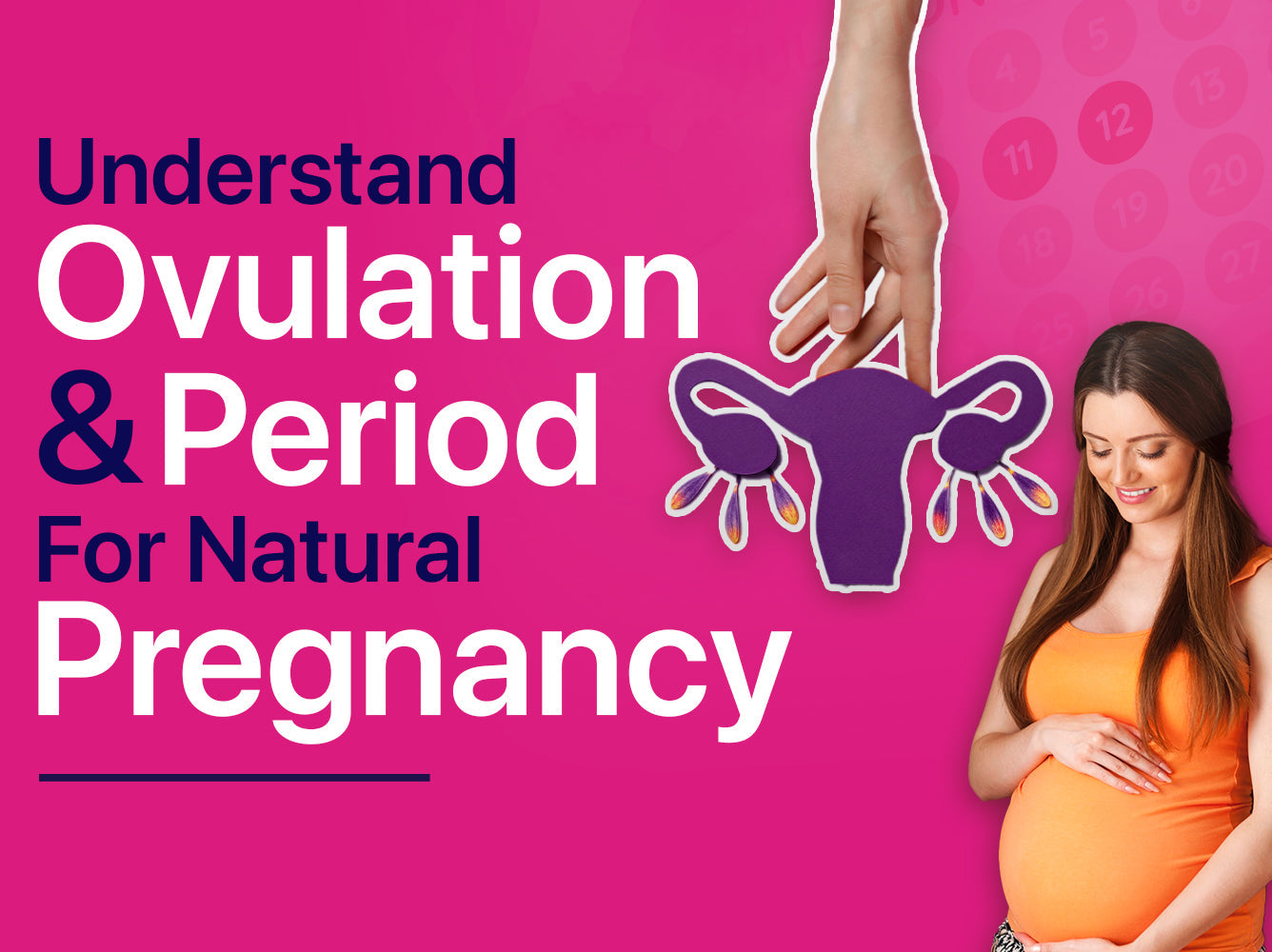
Irregular periods can make it difficult to predict ovulation—the time when any female body releases an egg. But it does not mean that you cannot conceive.
Can you get pregnant with irregular periods?
Yes. Many women with irregular cycles have conceived naturally. However, for some women it may take longer and some might need to take extra steps to track ovulation and support reproductive health.
Step 1: You need to understand your period cycle
Tracking your period cycle—even if it’s irregular—can help you spot patterns over time and increase your chances of getting pregnant naturally.
Try these tricks to track your period cycle:
- Period tracking apps: These can log symptoms, cycle length, and ovulation signs.
- Basal body temperature (BBT): Take your temperature every morning before getting out of bed. A slight rise may indicate ovulation.
- Cervical mucus monitoring: Around ovulation, mucus becomes clear, stretchy, and slippery—like egg whites.
- Ovulation predictor kits (OPKs): These test for hormone surges that precede ovulation. They may be less reliable with irregular cycles, but still useful.
If your cycle is highly unpredictable, consider speaking to a fertility specialist for hormone testing or ultrasound monitoring.
Step 2: Support ovulation through lifestyle
Your body needs balance to ovulate regularly. Focus on:
Nutrition
- Eat a balanced diet rich in whole grains, fruits, vegetables, lean proteins, and healthy fats.
- Include fertility-supporting nutrients like folate, zinc, iron, and vitamin D.
- Avoid excessive sugar, processed foods, and trans fats.
Studies published in the Journal of Reproductive Medicine show that women who maintain balanced micronutrient levels have improved ovulation consistency.
Exercise
- Aim for moderate activity—like walking, yoga, or swimming—most days of the week.
- Avoid overtraining or intense workouts that may disrupt hormones.
- If your BMI is below 18.5, consider reducing exercise and increasing calorie intake to support ovulation.
Stress management
- Chronic stress can affect hormone levels and ovulation.
- Try mindfulness, journaling, therapy, or gentle movement like tai chi or restorative yoga.
- Prioritize sleep and rest.
At Seed.Fit, many women report improved cycle regularity within 8–12 weeks of consistent stress management and sleep optimization.
Step 3: Maintain a healthy weight
Weight plays a crucial role in fertility. Both underweight and overweight individuals may experience hormonal imbalances that affect ovulation.
- For most people, a healthy BMI is between 18.5 and 24.9.
- For South Asian, Chinese, Middle Eastern, and African heritage, a BMI between 18.5 and 23 is considered optimal due to higher risk of metabolic conditions at lower weights.
Our clinical observations at Seed.Fit show that even a 5–10% weight adjustment can restore ovulation in women with irregular periods linked to PCOS.
If needed, work with a nutritionist or healthcare provider to reach a healthy weight gradually and sustainably.
Step 4: Consider medical support
If lifestyle changes don’t help regulate your cycle or you’ve been trying to conceive for over a year (or 6 months if over age 35), seek medical advice.
Step 5: Explore Ayurvedic and holistic support
For Indian couples, integrating Ayurveda with modern medicine can offer emotional and physical support.
- Herbs like ashwagandha, shatavari, and gokshura are traditionally used to balance hormones and support fertility.
- Ayurvedic practitioners may recommend panchakarma detox, abhyanga massage, or dietary changes based on your dosha.
- Always consult a qualified practitioner and inform your doctor before starting herbal supplements.
Step 6: Time intercourse around ovulation
Even with irregular cycles, you can increase your chances by:
- Having intercourse every 2–3 days throughout your cycle
- Focusing on the days when you notice fertile cervical mucus
- Using Ovulation prediction Kit’s or Basal Body Temperature to identify ovulation windows
Sperm can live up to 5 days in the reproductive tract, so regular intimacy ensures sperm is present when ovulation occurs.
For couples with unpredictable cycles, consistent intimacy every 2–3 days is more effective than waiting for exact ovulation dates.
Step 7: Support emotional wellbeing
Trying to conceive with irregular periods can be emotionally taxing. You may feel anxious, frustrated, or isolated.
- Talk to your partner openly about your feelings.
- Join fertility support groups or online communities.
- Consider therapy or counselling if stress becomes overwhelming.
Remember: your emotional health is just as important as your physical health on this journey.
Step 8: Know when to seek help
See your GP or fertility specialist if:
- You’ve missed more than 3 periods in a row but not pregnant
- You’re under 35 and have been trying for over a year
- You’re over 35 and have been trying for over 6 months
- You have symptoms of PCOS, thyroid issues or other hormonal concerns
- You’re experiencing painful periods, heavy bleeding or other menstrual irregularities
Early intervention can help identify and treat underlying issues.
Step 9: Stay hopeful
Irregular periods don’t mean infertility. With the right support, many couples conceive naturally or with minimal assistance. Stay informed, be kind to yourself and take proactive steps toward your goal.
Final thoughts: How to get pregnant with irregular periods
Getting pregnant with irregular periods requires patience, self-awareness, and sometimes medical guidance. But it’s absolutely possible. Focus on building a healthy foundation—physically and emotionally—and don’t hesitate to seek help when needed. At Seed.Fit, we are here to support you every step of the way.